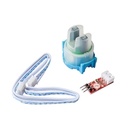

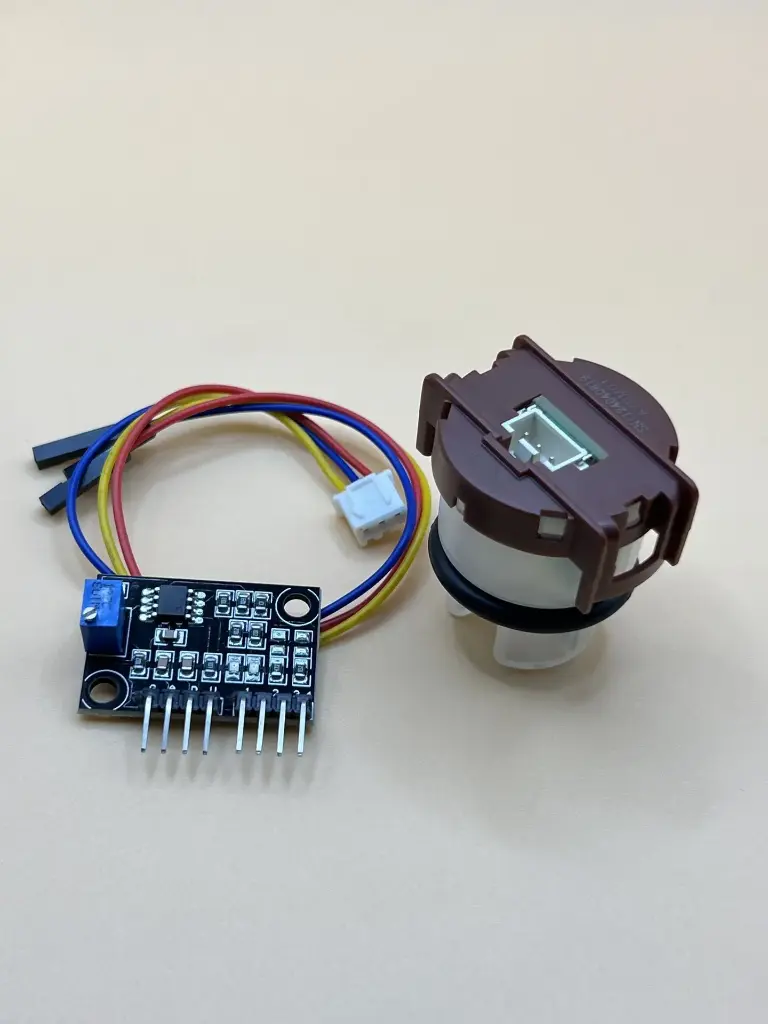
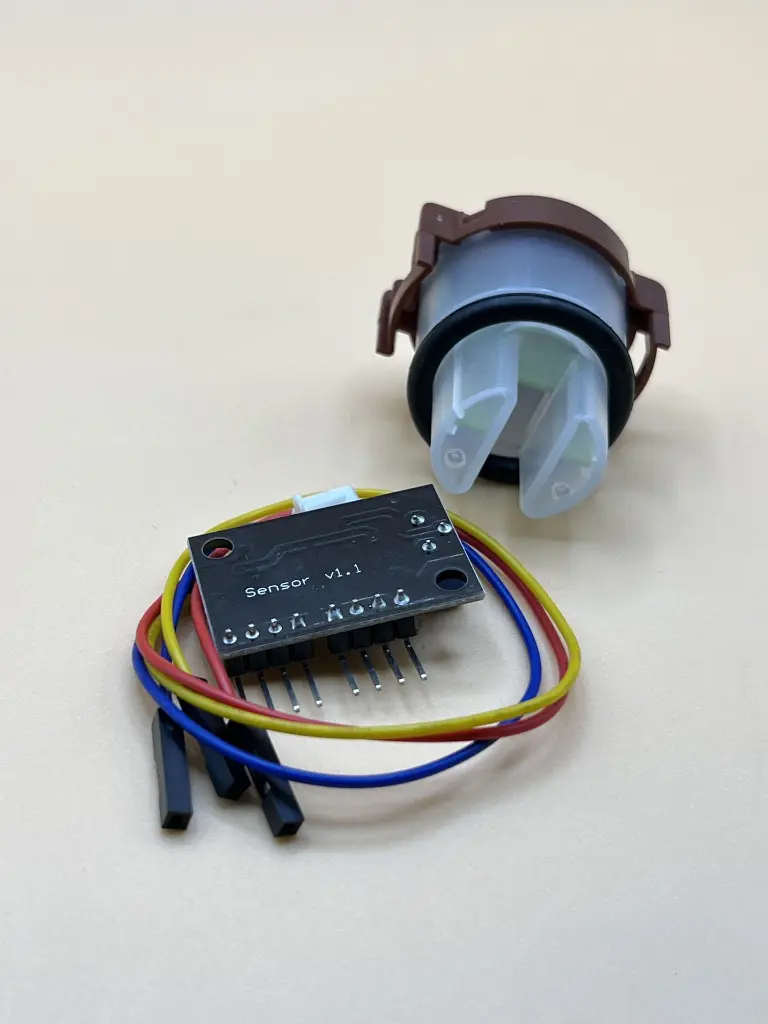
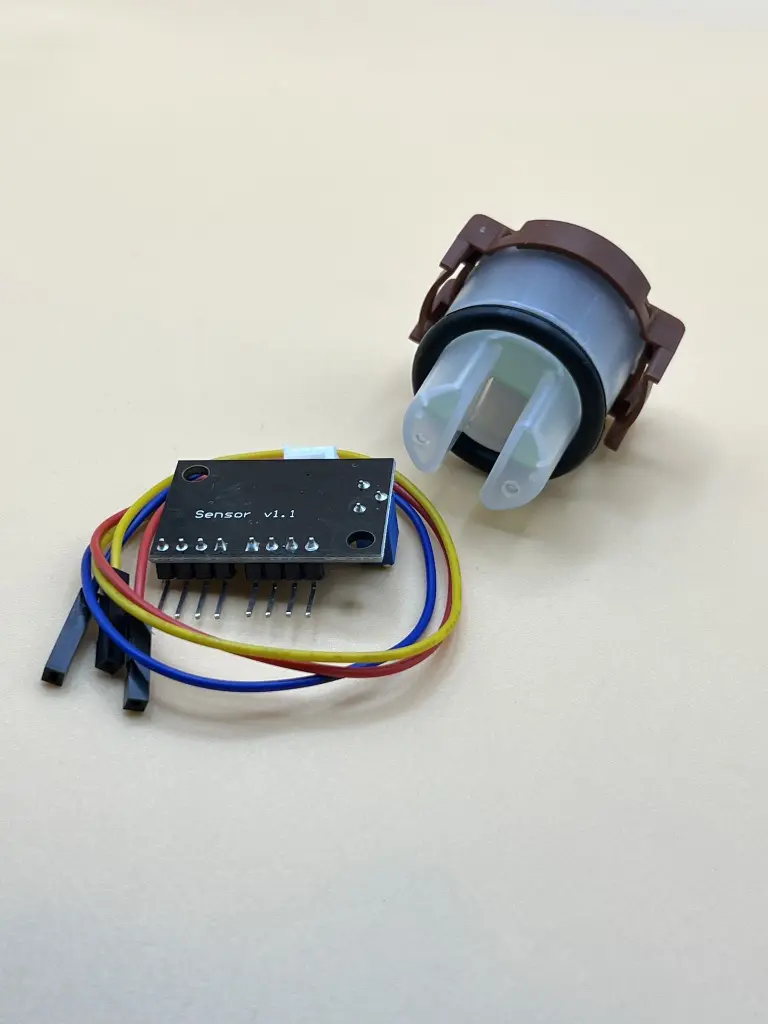
Description
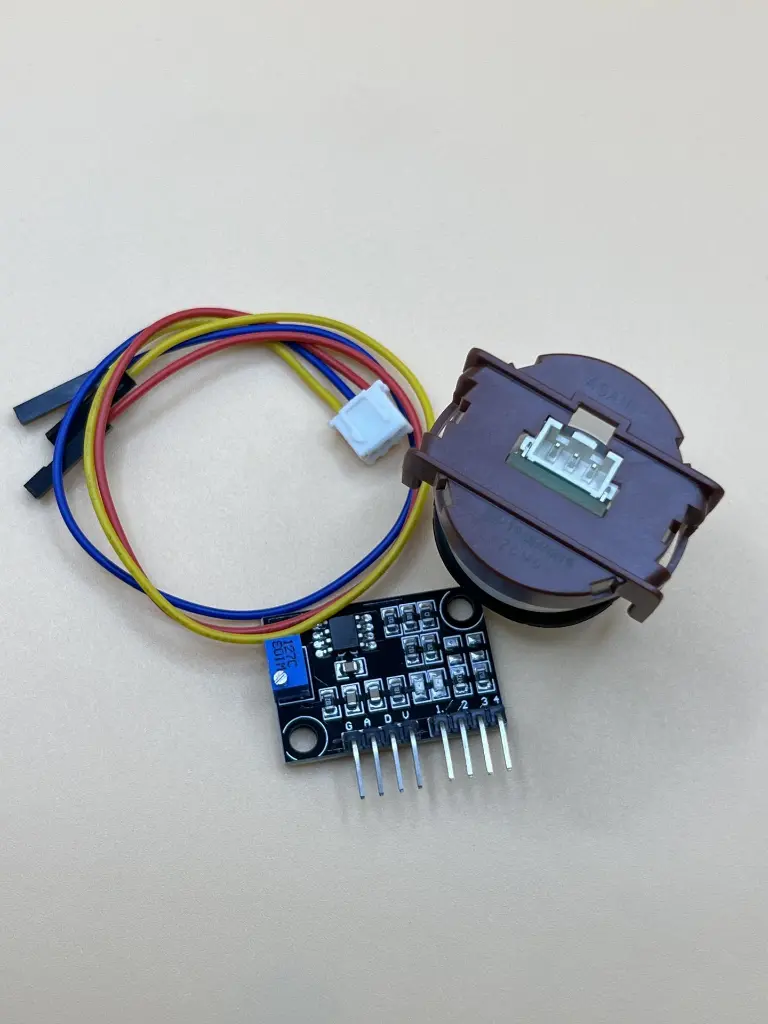
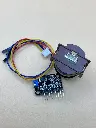
A turbidity sensor measures the clarity of a liquid by detecting how much light is scattered by suspended particles in the fluid. The greater the number of particles present, the more light is scattered, resulting in a higher turbidity reading. Turbidity is typically expressed in NTU (Nephelometric Turbidity Units). These sensors are widely used in water quality monitoring, helping assess contamination levels, sediment concentration, and the effectiveness of filtration or treatment processes.
Key Features
- Optical Measurement Principle: Uses light scattering to determine turbidity
- High Sensitivity: Detects both low and high levels of suspended particles
- Multiple Output Options: Available in analog or digital output versions
- Fast Response: Provides near real-time turbidity readings
- Calibration Support: Can be calibrated for improved measurement accuracy
- Durable Construction: Designed for continuous use in liquid environments
Specification
- Measurement Range: Typically 0–1000 NTU (model dependent)
- Accuracy: ±5% of reading or better
- Response Time: A few seconds to several minutes, depending on design
- Operating Temperature: Typically 0°C to 50°C
- Power Supply: Commonly 5V DC (varies by model)
- Output Type:
- Analog voltage (e.g., 0–5V)
- Digital interface (e.g., I2C or UART, model dependent)
- Housing Material: Chemical-resistant plastic or stainless steel
- Connection Type: Direct wiring or connectors such as JST
Application
- Water Quality Monitoring: Aquariums, swimming pools, drinking water systems
- Environmental Monitoring: Rivers, lakes, reservoirs, and pollution assessment
- Industrial Processes: Beverage production, chemical processing, wastewater control
- Water Treatment Systems: Filtration efficiency and purification monitoring