

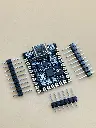
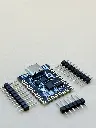
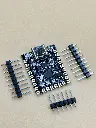
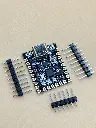
Description
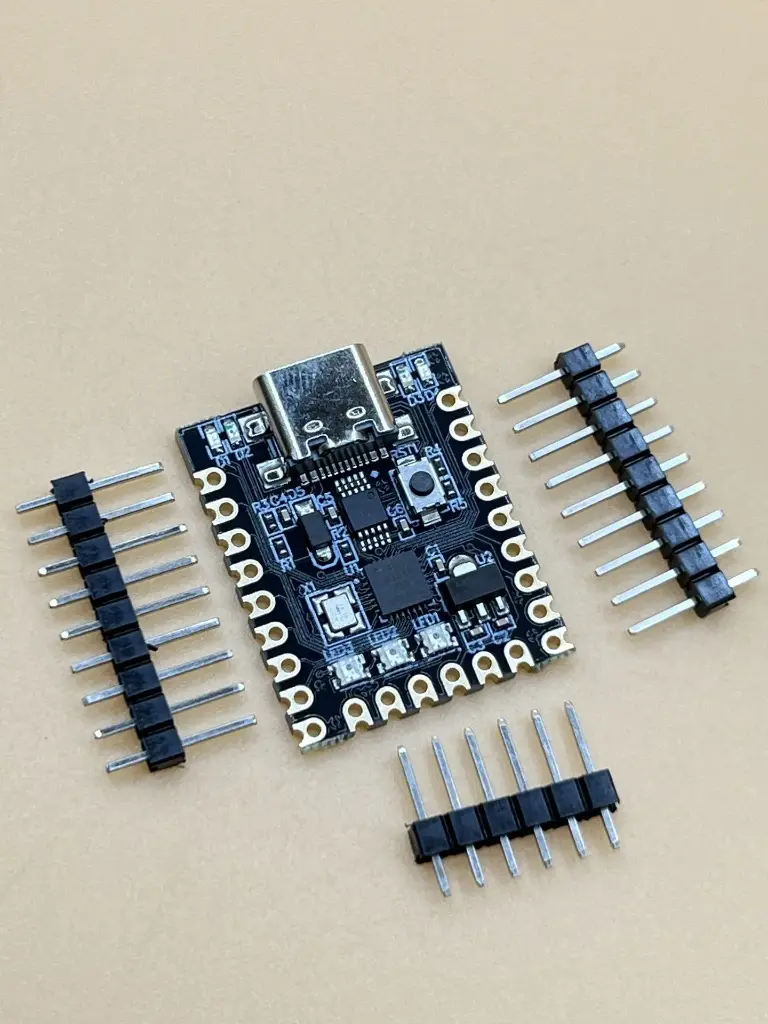
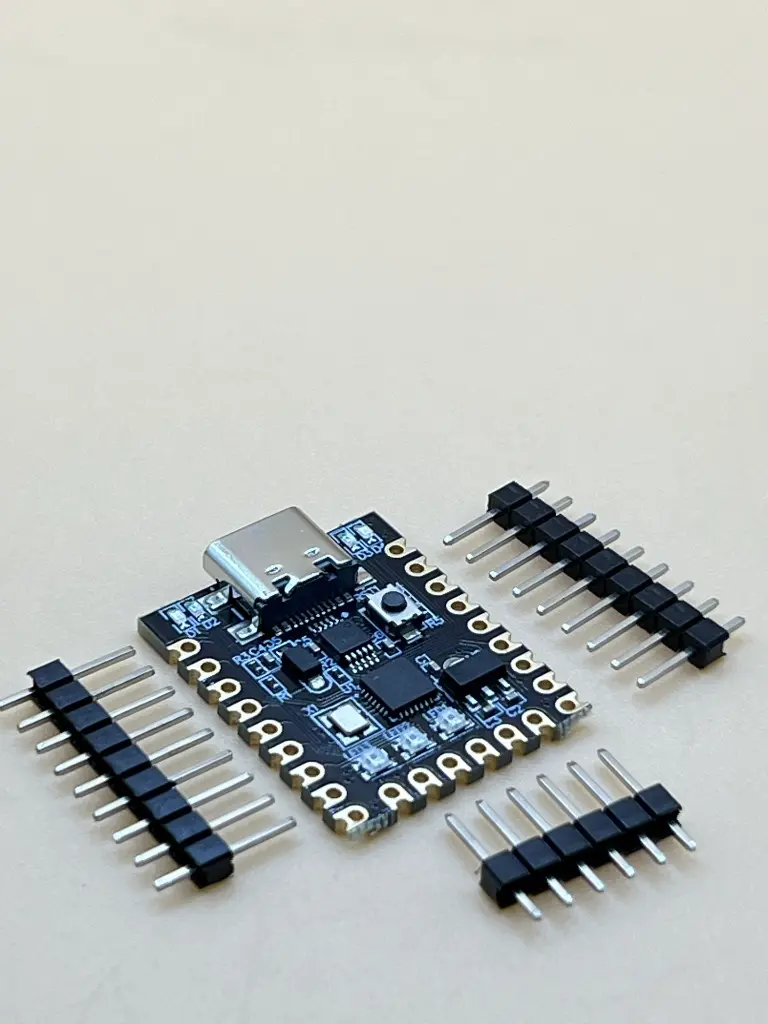
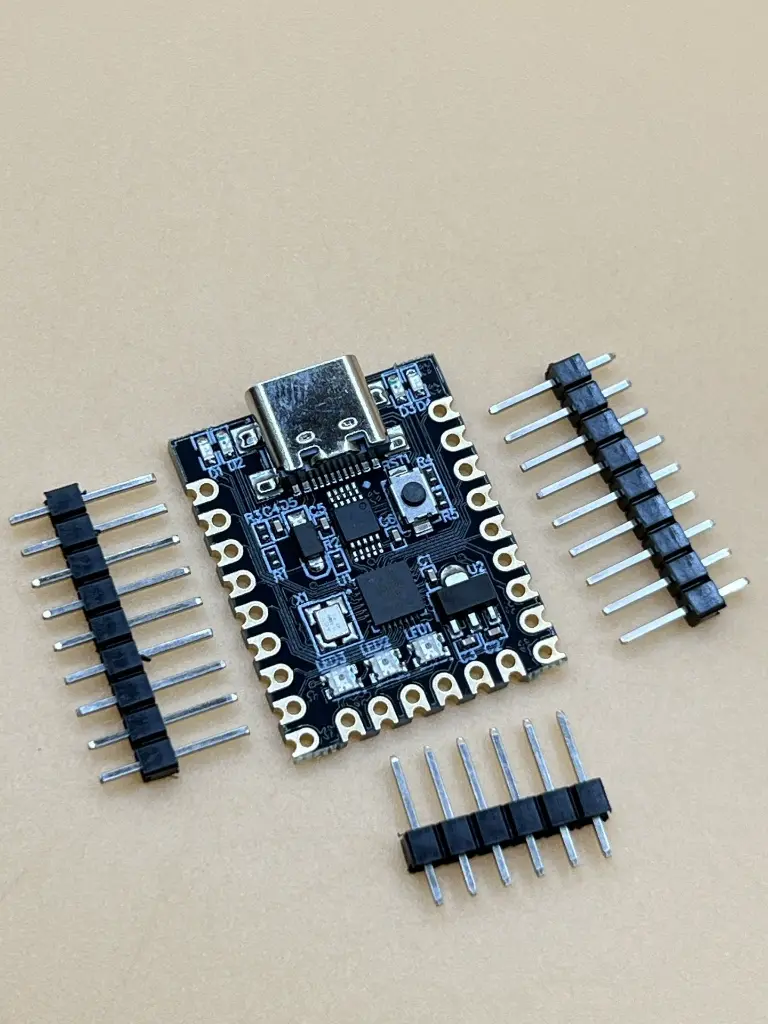
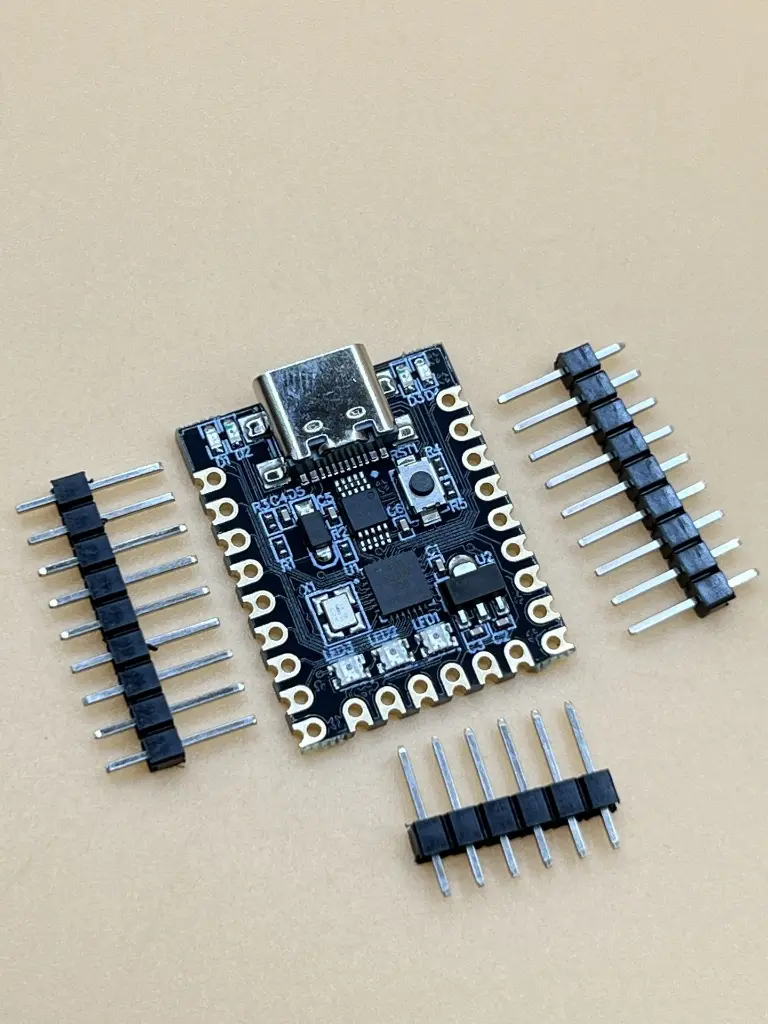
The Supermini Nano V3.0 is an ultra-compact development board built around the ATmega328P microcontroller, the same core as the classic Arduino Nano but redesigned in a significantly smaller form factor . It features a modern USB Type-C connector and an onboard CH340G USB-to-UART converter for programming and serial communication . Running at 16 MHz with 32KB of Flash memory, this board delivers full Arduino Nano functionality in a space-saving design suitable for compact embedded projects, wearables, and tight prototypes .
Key Features
- Ultra-compact form factor (approximately 27.4mm × 21.7mm) — significantly smaller than standard Nano boards
- ATmega328P microcontroller with 16 MHz clock speed
- USB Type-C connector for modern, reversible connectivity
- CH340G USB-to-serial converter chip for programming and communication
- 14 digital I/O pins with 6 PWM outputs
- 6 analog input channels (A0–A5)
- Breadboard-friendly with included pin headers (requires soldering)
- Compatible with Arduino IDE for easy programming
Specification
| Parameter | Value |
|---|---|
| Microcontroller | ATmega328P |
| Clock Speed | 16 MHz |
| Flash Memory | 32 KB (2 KB used by bootloader) |
| SRAM | 2 KB |
| EEPROM | 1 KB |
| Operating Voltage | 5V |
| Input Voltage (USB) | 5V |
| Input Voltage (VIN) | 6V – 12V |
| Digital I/O Pins | 14 (6 PWM-capable) |
| Analog Input Pins | 6 (A0–A5) |
| USB Interface | CH340G with USB Type-C connector |
| Board Dimensions | 27.4mm × 21.7mm |
Applications
- Space-constrained embedded projects
- Wearable electronics
- Prototyping and breadboard experiments
- Sensor data acquisition systems
- DIY automation and robotics
- Educational microcontroller training